

From "functional satisfaction" to "experience refinement," how does TPU reshape
Date:2026-10-10The automotive industry is undergoing a profound restructuring: electrification has reshaped the logic of power, and premiumization has redefined the standards of quality. In this transformation, TPU has quietly taken a key position.
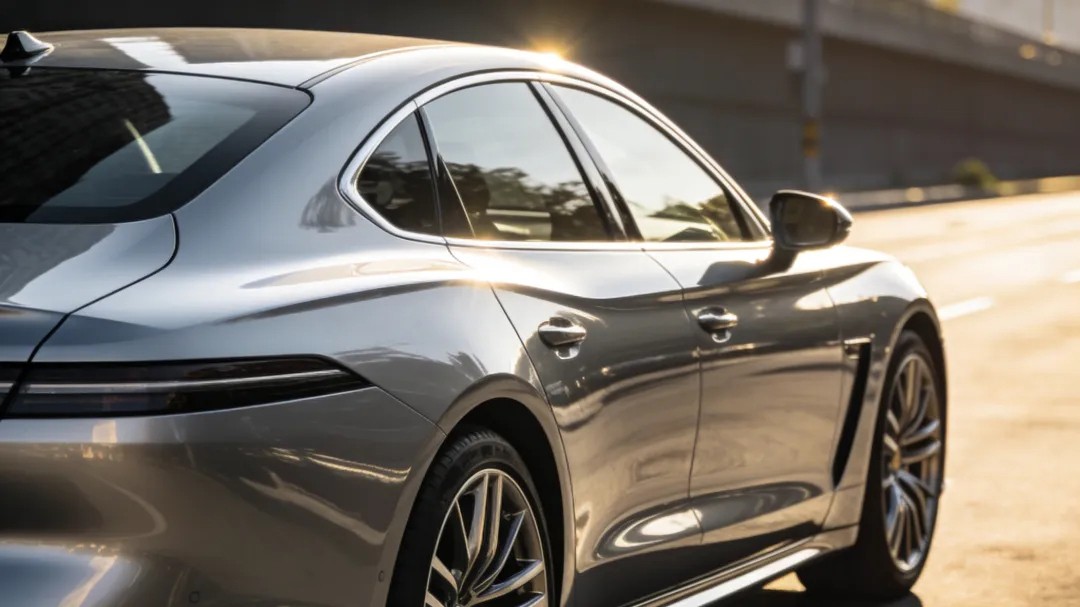
Invisible Car Wrap: From "Protection" to "Value Preservation" Asset Safeguarding
In high-end automotive consumption, the original paint is no longer just about color, but the core carrier of asset value. The emergence of TPU invisible car wraps has shifted paint protection from "passive repair" to "active defense."
Unlike traditional PVC or PU films, aliphatic TPU substrates possess two irreplaceable advantages: first, the self-healing function—minor scratches automatically close up under thermal action, keeping the paint surface smooth and glossy year-round; second, extreme transparency and yellowing resistance—even after years of sun and rain exposure, it maintains high light transmittance without yellowing or fading.
Automotive Snow Chains: From "Emergency Tool" to "All-Weather Accessory"
Leveraging the unique advantage of TPU in maintaining elasticity across a wide temperature range, TPU snow chains remain soft and flexible even in extreme cold environments of -40°C, without failing due to low-temperature brittleness. More importantly, it completely eliminates the risk of physical damage to wheels and suspension caused by traditional snow chains.
Brake and accelerator pedals: From "mechanical connection" to "green trust"
The application of TPU on automotive pedals brings a dual upgrade in both environmental protection and user experience—achieving zero VOC emissions and truly being green and odorless.
In the past, traditional rubber and PVC materials often came with unpleasant odors, but TPU solves this pain point at the source, making the in-car air healthier and fresher. On this basis, it still provides a constant coefficient of friction, ensuring a consistently stable feel underfoot whether it is slippery in the rain or subject to long-term wear.
Charging Gun Cables: The "Energy Artery" of the Electrification Era
If the battery is the "heart" of an electric vehicle, the charging cable is the "artery". The reason TPU has become the preferred material for high-end charging cables is that it simultaneously meets three stringent requirements in electrification scenarios:
Extreme weather resistance: From -40°C to 80°C surface high temperatures, TPU always remains soft, eliminating the awkwardness of becoming "hard as steel" in winter.
Electrical Safety: Excellent flame retardancy and aging resistance ensure long-term reliability during high-power charging.
User experience: Scratch-resistant and dirt-resistant, it maintains a clean appearance even after repeated dragging on the ground.
In an era where the automotive industry is shifting from "mechanically defined" to "materially defined," the evolving role of TPU reflects the industry's deepening understanding of quality.
From the enduring gloss of the paintwork to the steady footing on snowy roads; from the effortless charging experience to the pure air in the cabin—TPU is quietly yet firmly contributing to building the premium foundation of modern automobiles.