

How to distinguish between polyether-based TPU and polyester-based TPU?
Date:2026-10-10TPU is a thermoplastic polyurethane elastomer, a multiphase block copolymer composed of diisocyanates, polyols, and chain extenders.
The American Goodrich Chemical Company (now renamed Lubrizol) first registered the TPU trademark Estane in 1958. In the following 60 years, more than 20 trademarks have been launched worldwide, each with several product series.
Currently, the main manufacturers of TPU raw materials include BASF, Covestro, Lubrizol, Huntsman, Wanhua Chemical, Shanghai Heng'an, Ruihua, Asahi Kasei, and others.
As a high-performance elastomer, TPU has a very wide range of downstream applications, being widely used in fields such as daily necessities, sporting goods, toys, and decorative materials, including footwear materials, hoses, cables, and medical devices.
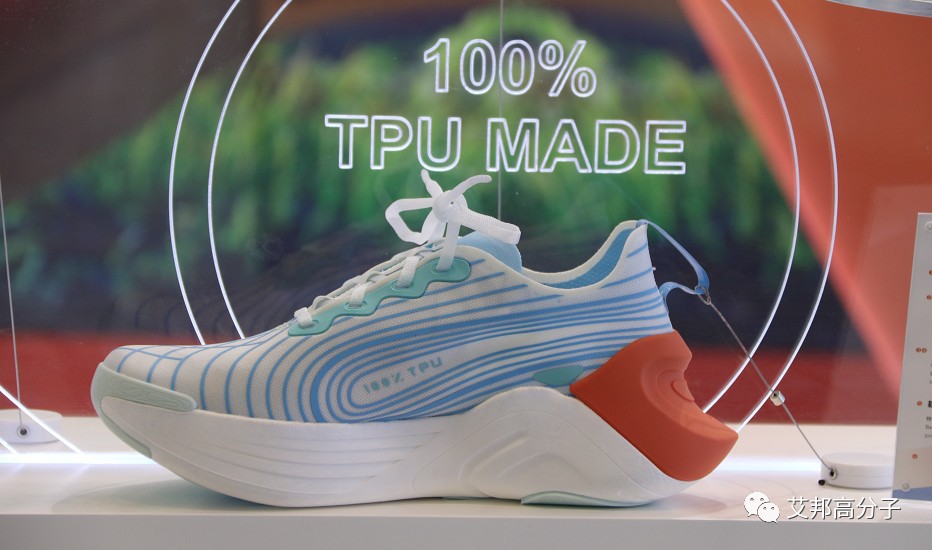
Photo: 100% TPU shoes, taken at the Lubrun 2021 Rubber & Plastics Exhibition booth
However, common TPU is divided into two types: polyether-based and polyester-based. Depending on the different application requirements of the product, different types of TPU need to be selected. For example, if high hydrolysis resistance is required, polyether-based TPU is more suitable than polyester-based TPU.
Therefore, today we will discuss the differences between polyether-based TPU and polyester-based TPU, and how to distinguish them. The following will elaborate on four aspects: raw material differences, structural differences, performance comparison, and identification methods.
I. Raw Material Differences
I believe many people know the concept of thermoplastic elastomer. Its structural characteristic is that it contains both soft segments and hard segments, which respectively provide the material with flexibility and rigidity.
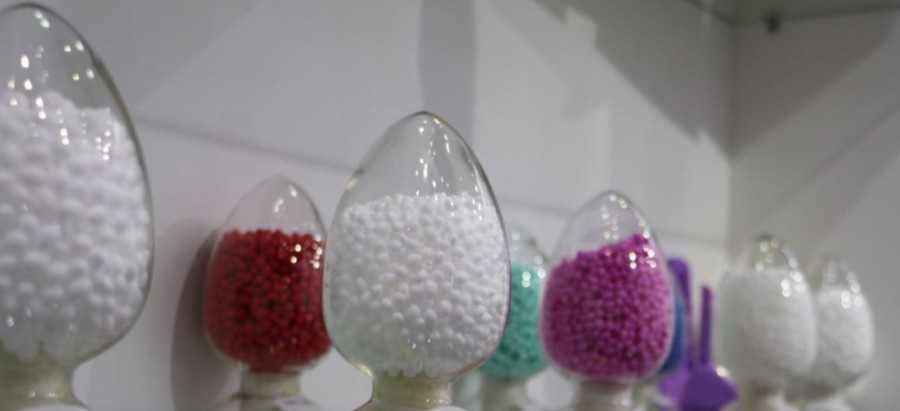
Figure: TPU granules
TPU also consists of soft segments and hard segments. The difference between polyether-based TPU and polyester-based TPU lies in the soft segments, which we can examine by looking at the raw materials.
Polyether-based TPU: 4,4'-diphenylmethane diisocyanate (MDI), polytetramethylene ether glycol (PTMEG), and 1,4-butanediol (BDO), where the dosage of MDI is about 40%, PTMEG accounts for about 40%, and BDO accounts for about 20%.
Polyester-based TPU: 4,4'-diphenylmethane diisocyanate (MDI), 1,4-butanediol (BDO), and adipic acid (AA), where the dosage of MDI is about 40%, AA accounts for about 35%, and BDO accounts for about 25%.
We can see that the soft segment raw material for polyether-based TPU is polytetramethylene ether glycol (PTMEG); the soft segment raw material for polyester-based TPU is adipic acid (AA), where adipic acid reacts with butanediol to form poly(butylene adipate) as the soft segment.
II. Structural Differences
The molecular chain of TPU is an (AB)n-type block linear structure, where A is a high molecular weight (1000-6000) polyester or polyether, B is generally butanediol, and the chemical structure between the AB segments is diisocyanate.
Depending on the different A-structures, TPU can be classified into polyester-based, polyether-based, polycaprolactone-based, polycarbonate-based, etc., with polyether-based TPU and polyester-based TPU being the most common.
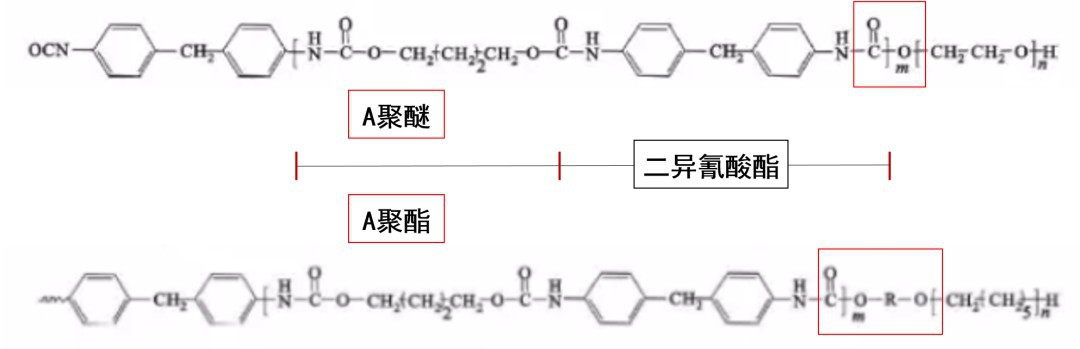
Figure: Differences in the molecular chain structures of polyether-based and polyester-based TPU
From the figure above, we can see that the overall molecular chains of polyether-based TPU and polyester-based TPU are both linear structures, and the main difference lies in whether the soft segment is a polyether polyol or a polyester polyol.
III. Performance Comparison
Polyether polyol is an alcohol polymer or oligomer containing ether bonds in the main chain structure and hydroxyl groups at the end groups. This is due to the low cohesive energy and ease of rotation of the ether bonds in its structure.
Therefore, polyether-based TPU has excellent low-temperature flexibility, hydrolysis resistance, mold resistance, and UV resistance, with a good product feel, but relatively poor peel strength and tensile strength.
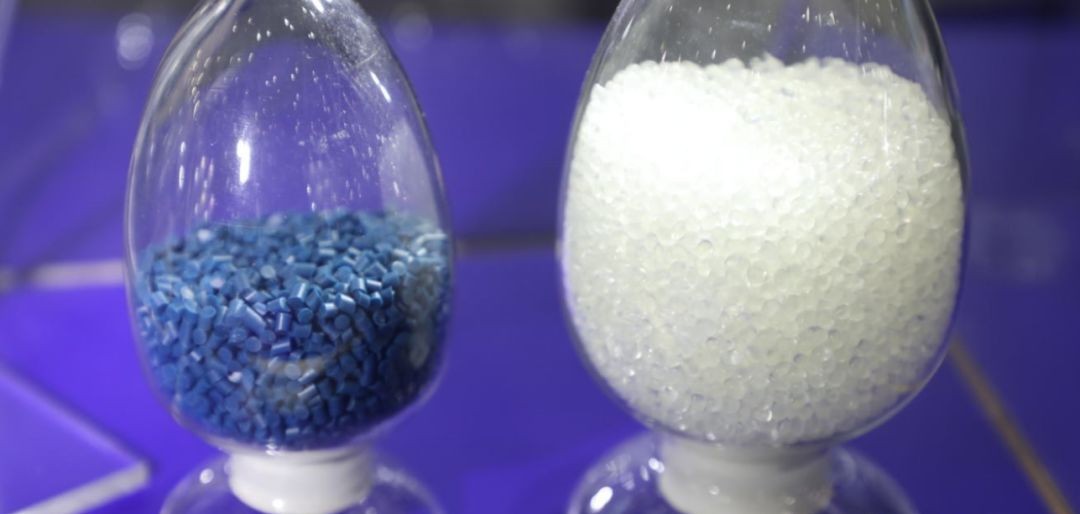
Figure: TPU granules
The ester groups in polyester polyols, which have extremely strong covalent bonds, can form hydrogen bonds with hard segments to act as elastic cross-linking points. However, polyester is susceptible to cleavage by water molecules, and the acids generated by hydrolysis can further catalyze the hydrolysis of the polyester.
Therefore, polyester-based TPU exhibits excellent mechanical properties, wear resistance, tear resistance, chemical corrosion resistance, high-temperature resistance, and ease of processing, but has poor hydrolysis resistance.
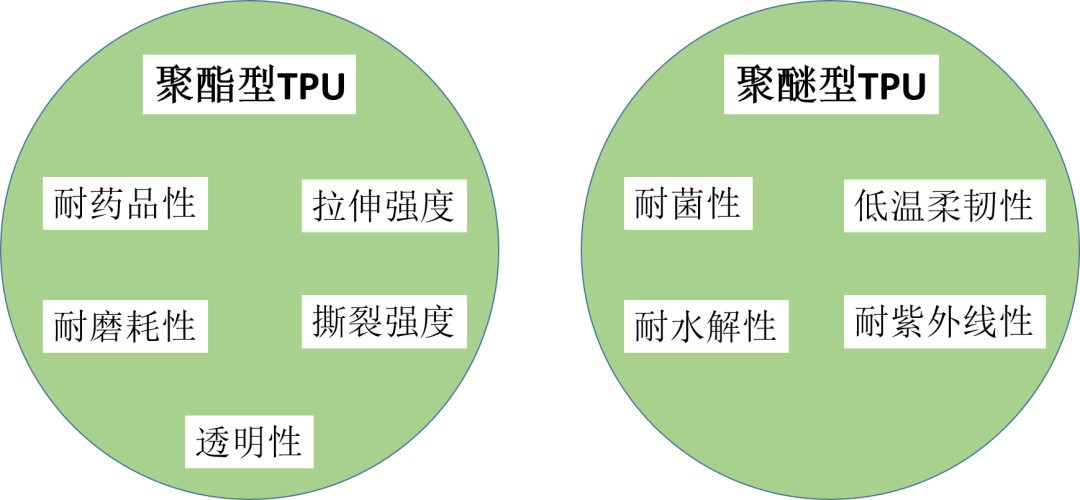
Figure: Performance comparison between polyester-based TPU and polyether-based TPU
IV. Identification Methods
As for which type of TPU is better, it can only be said that the choice should be based on the physical property requirements of the product. For good mechanical properties, polyester TPU is preferred; if cost, density, and the product's operating environment are considered—such as for water play products—then polyether-based TPU is more suitable.
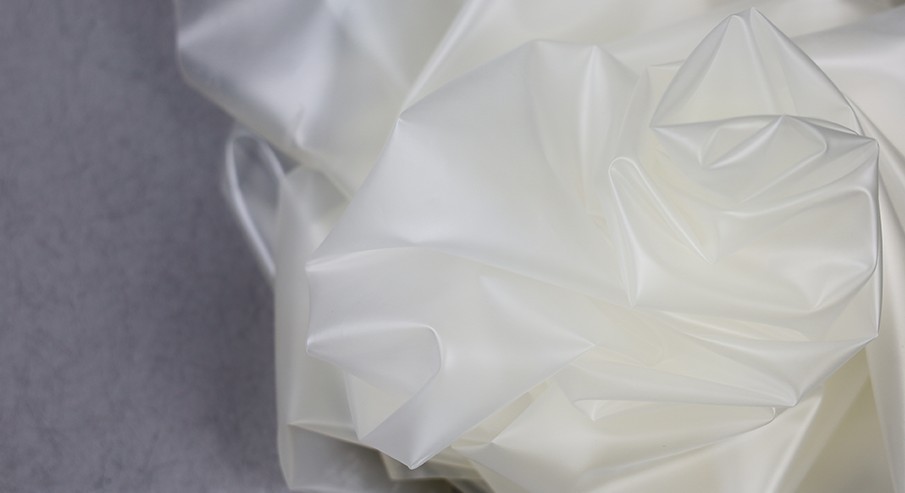
Figure: Polyether TPU film
However, when selecting or accidentally confusing the two types of TPU, which have no obvious difference in appearance, how can you distinguish them?
Actually, there are many methods, such as chemical color reaction, gas chromatography-mass spectrometry (GCMS), mid-infrared spectroscopy, etc., but these methods have high technical requirements and take a long time.
So is there a relatively simple and fast identification method? The answer is yes, such as the density comparison method.
This method only requires a density tester, using a high-precision rubber density meter as an example. The measurement steps are as follows:
Place the product on the weighing platform, the product weight will be displayed, and press the ENTER key to save the memory.
Submerge the product in water to display the density value.
The entire measurement process takes about 5 seconds, and then they can be distinguished based on the principle that polyester-based TPU has a higher density than polyether-based TPU. The specific density ranges are: polyether-based TPU — 1.13-1.18g/cm3; polyester-based TPU — 1.18-1.22g/cm3. This method allows for a quick distinction between polyester-based and polyether-based TPU.